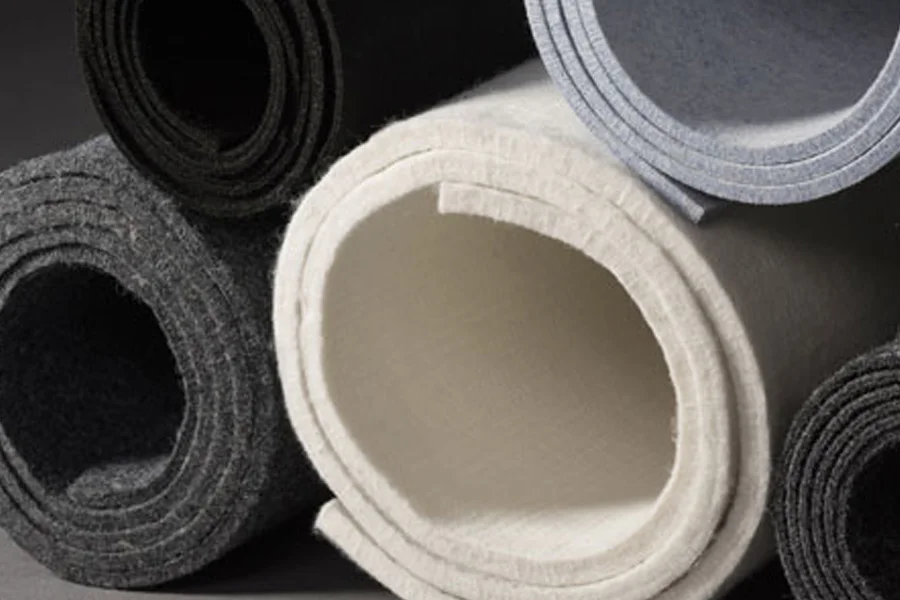
Wool felt article looks simple from the outside. It’s just compressed fiber, right? But anyone who’s bought a wholesale batch and then unrolled it to find thin patches, uneven color, or a fabric that pills after one wash knows it’s not that simple at all.
Quality varies enormously between suppliers, and it’s not always obvious from a product photo or a quick sample swatch. If you’re sourcing wool felt for craft products, upholstery, insulation, footwear, or any other application, knowing what separates good felt from bad felt before you place a large order can save you a lot of money and a lot of headaches.
Here’s what to actually look for.
Why Quality Is Harder to Judge with Felt Than Woven Fabric
Woven fabric has a grain, a weave pattern, and a fairly predictable structure. You can usually spot flaws by holding it up to light.
Felt is different. It’s made by matting and pressing wool fibers together using heat, moisture, and pressure, sometimes with a bit of agitation to help the fibers lock. There’s no weave to inspect, which means density, fiber quality, and construction consistency aren’t always visible at a glance. A sheet of felt can look perfectly fine in a photo and still fall apart under normal use.
That’s exactly why so many buyers get surprised after the shipment arrives. You have to know what to check, not just look at the surface.
Check the Fiber Content First
Not all wool felt articles are actually made from 100% wool, even when they’re marketed that way. Many wholesale suppliers blend wool with synthetic fibers like rayon or polyester to cut costs, and that’s not necessarily a dealbreaker, but you need to know what you’re getting.
A reputable supplier will list the exact fiber percentage on the spec sheet or product listing. If it just says “wool felt” with no breakdown, ask directly. Wool-rich blends generally hold shape better, resist pilling more effectively, and have a denser, more substantial feel than felt padded out with cheaper synthetics.
If you’re buying for a use case where softness, breathability, or natural fiber properties matter like apparel or high-end craft goods a lower wool percentage can be a real problem, not just a minor detail.
Look Closely at Thickness Consistency
Run your hand across a sample sheet, or better yet, hold it up against a light source. Low quality felt often has visible thin spots or uneven density across the same sheet.
This happens when the manufacturing process isn’t tightly controlled the fibers aren’t distributed evenly before pressing, or the pressure and heat applied during felting weren’t consistent. The result is a fabric that might measure the correct thickness at the edges you check, but has weak zones elsewhere that tear easily or lose shape under stress.
For bulk orders, this is a bigger risk than it sounds. A supplier can send you a strong sample and then ship a batch with inconsistent quality control across the full run. Asking for multiple samples cut from different parts of a roll, not just one corner piece, gives you a much better picture of what you’re actually buying.
Test for Pilling and Fiber Shedding
Rub a small section of the felt firmly between your fingers for about ten to fifteen seconds. Good quality felt should hold together without shedding loose fibers or forming little balls of fuzz on the surface.
If you notice significant pilling or fiber loss almost immediately, that’s a strong sign the felt wasn’t compressed densely enough during manufacturing, or that shorter, lower-grade wool fibers were used. Short fibers don’t lock together as well as longer ones, so they work their way loose over time, especially with friction or repeated handling.
This matters a lot depending on your end use. A craft supplier making one-time-use products might tolerate more pilling than a company producing felt goods meant to last for years.
Check the Edges and Cut Quality
This one’s easy to overlook, but it says a lot about how carefully a supplier handles production. Look at how the felt was cut or trimmed. Clean, even edges suggest a controlled manufacturing process. Frayed, ragged, or uneven edges can indicate rushed production or lower-grade equipment, and sometimes point to lower fiber quality overall, since low quality felt tends to fray more easily when cut.
If you’re ordering felt that will be die-cut or shaped into specific products later, this detail matters even more. Felt that frays badly at the wholesale stage will likely cause problems during your own manufacturing process too.
Smell and Feel Are Real Indicators
It sounds unscientific, but experienced buyers rely on this constantly. Genuine wool felt has a distinct, slightly earthy natural smell, especially when it’s new. A strong chemical odor can indicate heavy processing, excessive use of synthetic binders, or lower-grade raw material that needed extra treatment to hold together.
As for feel, quality wool felt has a certain density and springiness to it press it and it should have a bit of resistance and bounce back toward its original shape. Felt that feels papery, overly stiff, or strangely flat often has too little wool content or was pressed unevenly.
Ask About Sourcing and Manufacturing Process
A supplier that’s confident in their product will usually be happy to explain where their wool comes from and how the felt is processed. Vague or evasive answers are worth paying attention to.
Ask specifically about:
- Fiber origin and whether the wool is virgin (never used before) or recycled
- Manufacturing method needle-punched, pressed, or a combination
- Density measurements, usually listed in grams per square meter (GSM)
- Any quality control testing done before shipment
GSM in particular is a useful number for comparing wholesale suppliers side by side. Higher GSM generally means denser, more durable felt, though the ideal number depends on your application. Thin craft felt and heavy-duty industrial felt will have very different GSM targets, so don’t judge one number as universally “good” or “bad” without context.
Request Samples Before Committing to a Bulk Order
This is the single most effective way to avoid a bad wholesale purchase. Never place a large order based only on photos or a written description.
Ask for physical samples, and if possible, request them from different production batches rather than a single hand-picked piece. Compare the samples against each other for consistency in color, thickness, and texture. If a supplier is unwilling to provide samples before a bulk commitment, that’s a reasonable reason to look elsewhere.
It also helps to test the sample the way you’ll actually use the final product. If you’re sewing it, sew a piece. If you’re cutting it into shapes, cut a piece. Real-world testing tells you far more than visual inspection alone.
Watch for Red Flags in Pricing
Wool felt that’s priced dramatically lower than the market average is usually cutting corners somewhere, whether that’s fiber quality, density, or consistency. That doesn’t mean the cheapest option is always bad, but it’s worth being cautious and asking more questions when a price seems too good to be true relative to competitors offering similar specs.
Compare pricing against fiber content and GSM together, not against price per unit alone. Two suppliers charging the same amount per meter can be offering very different products once you account for what’s actually in the felt.
Spotting low quality wool felt articles before you commit to a wholesale order comes down to slowing down and checking the details that don’t show up in a product photo. Fiber content, thickness consistency, pilling resistance, edge quality, and honest sourcing information all tell you more than a listing price ever will.