Whether you are a craftsperson sourcing materials for small-batch production or a business owner placing bulk orders for industrial or commercial use, choosing the right wool felt supplier is one of the most important decisions you will make. The quality of your end product, the reliability of your supply chain, and the profitability of your business all hinge on this single relationship.
But with so many vendors, manufacturers, and wool felt exporters operating across global markets today, knowing how to separate the dependable from the disappointing can feel overwhelming. To make the process easier, we have put together a comprehensive buyer’s checklist covering every key factor you should evaluate before committing to a supplier.
1. Product Quality and Material Standards
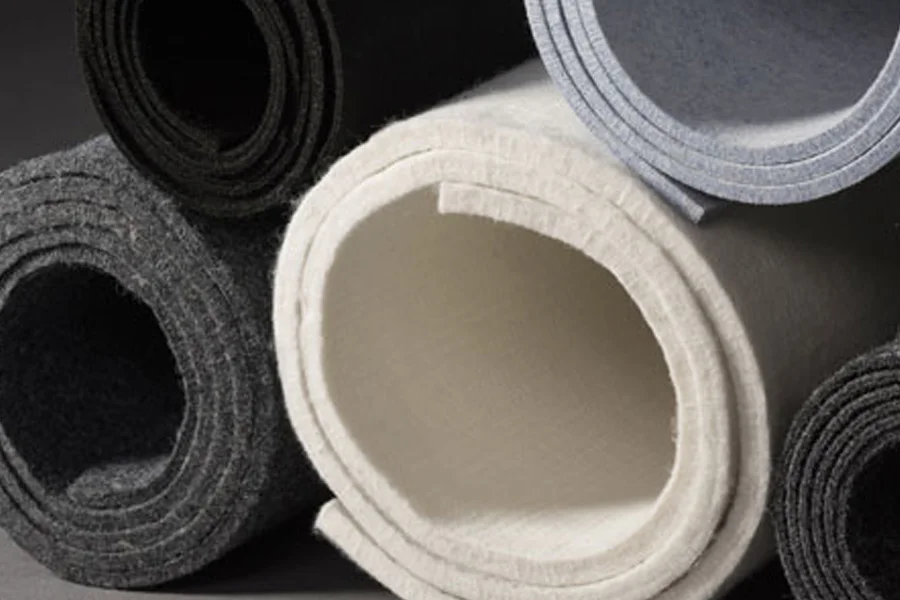
The first thing any serious buyer must assess is the quality of the wool felt itself. Not all felt is created equal. Premium wool felt is made from 100% natural wool fibres that are compressed and matted together without the use of woven backings. The result is a dense, durable, and versatile material with excellent insulation, sound absorption, and moisture-wicking properties.
When evaluating a wool felt supplier, request physical samples before placing any order. Examine the felt for:
Uniform density The material should feel consistent in thickness across the entire sheet or roll.
Colour fastness Dyes should be vibrant and resistant to fading, especially if the felt will be used in applications exposed to light or moisture.
Tensile strength Quality wool felt should resist tearing and hold its shape under stress.
Surface texture The felt surface should be smooth and free from pilling, loose fibres, or inconsistencies.
A trustworthy wool felt supplier will be transparent about the wool grade they use, the sourcing of raw fibres, and the felting process employed in manufacturing.
2. Product Range and Customisation Capabilities
Your needs today may not be the same as your needs six months from now. A good wool felt supplier should offer a comprehensive range of thicknesses, densities, colours, and sizes. Standard offerings typically range from 1mm craft-grade sheets to industrial-grade rolls exceeding 50mm in thickness.
Beyond standard inventory, ask whether the supplier can accommodate custom orders. Can they produce felt in a specific Pantone colour? Can they cut to bespoke dimensions? Can they meet non-standard density requirements for specialised industrial uses?
Suppliers who offer customisation demonstrate manufacturing maturity and a genuine capacity to serve diverse customer needs a quality that becomes increasingly important as your business scales.
3. Certifications and Compliance
In today’s global marketplace, regulatory compliance is non-negotiable. When sourcing from a wool felt exporter or domestic supplier, you must verify that their products meet the relevant safety and quality standards for your industry and destination market.
Key certifications to look for include:
ISO 9001 Confirms that the supplier has an internationally recognised quality management system in place.
OEKO-TEX Standard 100 Certifies that the wool felt has been tested for harmful substances, making it safe for skin contact and sensitive applications.
REACH Compliance Essential for buyers importing into European markets, ensuring chemical compliance with EU regulations.
GOTS (Global Organic Textile Standard) Relevant if you require organically sourced wool.
Any reputable wool felt exporter targeting international buyers should be able to furnish these certificates upon request without hesitation. If a supplier is evasive or unable to provide documentation, treat this as a significant red flag.
4. Production Capacity and Lead Times
Understanding a supplier’s production capacity is critical, particularly for businesses that rely on consistent, high-volume supply. Ask directly: What is their monthly output? Can they scale production during peak demand periods? What is the standard lead time from order confirmation to shipment?
A reliable wool felt supplier will give you honest, specific answers rather than vague reassurances. Ideally, you want a supplier who can accommodate both standard orders and urgent production runs without a significant deterioration in quality.
It is also worth asking about their stock holding practices. Do they maintain a buffer inventory of popular SKUs? This can significantly reduce lead times for repeat orders and protect your supply chain from unexpected disruption.
5. Export Experience and Logistics Expertise
If you are sourcing from an international wool felt exporter, logistics competence is just as important as product quality. An experienced exporter will have a well-established network of freight forwarders, familiarity with customs documentation, and a track record of successfully shipping to your destination country.
Ask about their experience exporting to your specific market. Are they familiar with import duties, restricted materials regulations, or labelling requirements in your country? A knowledgeable wool felt exporter will proactively guide you through the documentation process including commercial invoices, packing lists, certificates of origin, and any required compliance documents.
Shipping delays can cost your business dearly. Choose an exporter who demonstrates logistical confidence and has systems in place to track shipments and communicate proactively if issues arise.
6. Pricing Transparency and Payment Terms
Price is always a consideration, but the cheapest wool felt supplier is rarely the best one. Low prices often come at the cost of material quality, consistency, or service reliability. That said, pricing should be transparent, competitive, and clearly structured.
A trustworthy supplier will provide detailed quotations that break down the cost per unit, applicable surcharges, packaging costs, and freight estimates. Be wary of suppliers who obscure pricing or introduce unexpected charges after an order is confirmed.
Equally important are payment terms. Established wool felt exporters and suppliers typically offer flexible options including advance payment, letter of credit (L/C), or open account terms for long-term clients. If a new supplier insists on 100% upfront payment with no verifiable track record, proceed with caution.
7. Communication and Customer Support
The quality of a supplier’s communication often predicts the quality of the business relationship overall. During your initial inquiries, pay close attention to how quickly they respond, how clearly they answer questions, and whether they take the time to understand your specific requirements.
A dependable wool felt supplier will assign you a dedicated account manager or point of contact, provide timely updates on order status, and be reachable when problems arise. Poor communication at the inquiry stage almost always worsens once money changes hands.
8. References, Reviews, and Industry Reputation
Before finalising any decision, do your due diligence. Ask the wool felt supplier or exporter for client references and actually follow up on them. Check for reviews on industry directories, trade platforms like Alibaba or IndiaMART, and professional networks.
Look for patterns in feedback consistent praise for on-time delivery and quality is a strong positive signal; recurring complaints about inconsistency or communication should not be ignored, regardless of how competitive the pricing appears.
9. Sustainability and Ethical Sourcing
Today’s buyers increasingly expect their supply chains to reflect their values. Wool is a natural, renewable material, but the manner in which it is farmed, processed, and manufactured matters enormously. Ask your potential wool felt supplier about their animal welfare policies, water usage in production, and waste management practices.
Suppliers who invest in sustainable practices are not only better corporate citizens they are also more likely to maintain long-term relevance in a market where environmental accountability is becoming a purchasing requirement.
Finding the right wool felt supplier is not a decision to be rushed. By working through this checklist systematically assessing product quality, certifications, production capacity, export expertise, pricing, communication, reputation, and sustainability you dramatically reduce the risk of costly mistakes and lay the groundwork for a partnership built on trust.
Whether you are sourcing locally or working with a wool felt exporter overseas, the fundamentals remain the same: quality, reliability, transparency, and alignment with your business values. Take the time to evaluate your options carefully, and the right supplier relationship will become one of your most valuable business assets.