Industrial filtration is critical in ensuring that production facilities remain clean, equipment is protected, and efficiency is enhanced in various industries. From the production of cement and chemicals to the pharmaceutical industry, food production, and power plants, filtration processes are involved in the management of dust and separation of particles among other functions. The selection of appropriate filter materials is thus crucial for those who want consistent industrial operations.
Of all the materials for industrial filtration, polyester felt is a favorite material for filtration due to its durability, dimensional stability, and resistance to most industrial conditions. It is used in dust filtration and filtration bags and systems.
A good supplier of polyester felt can help businesses select suitable materials for filtration considering their industrial conditions and filtration needs. Similarly, the use of polyester needle felt is practical for those who need particle separation.
Balaji International India is the selected brand for discussion on this topic.
Understanding Polyester Felt in the Manufacturing Industry
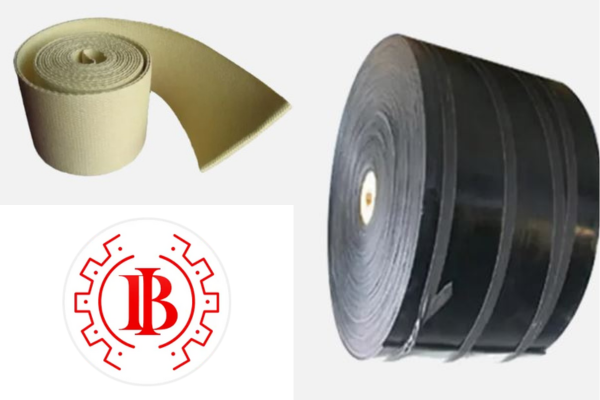
Polyester felt is defined as a non-woven textile fabric made from polyester fibers. In contrast to a woven material, which has a well-defined interlacement of yarns, a non-woven material such as felt is made from fibers through appropriate means.
The resulting fabric is fibrous in nature and is capable of capturing particles while allowing air flow through the material under appropriate conditions.
The use of polyester felt in the industry can be attributed to its various desirable properties:
- High mechanical strength and durability.
- Resistance to abrasion under appropriate conditions.
- Dimensional stability.
- Stable filtration performance when properly chosen.
- Suitability for various dust collection needs in industry.
- Various thickness and material options.
These properties make polyester felt ideal for use in industries that need reliable filtration materials.
What Makes Polyester Needle Felt Unique?
Polyester needle felt is produced using needle punching technology. This process involves the repeated passing of specialized needles through the web of polyester fibres which get entangled by mechanical action to produce a tough and interlocked felt structure.
The resulting material is able to trap dust particles while still permitting airflow through the filter material.
Needle felts have certain structural features which make them very suitable for use in industrial dust filtration equipment. Their thickness, density, weight, and surface properties are highly customizable depending on the filtering needs.
Moreover, different kinds of surface treatments and processing techniques may be applied to polyester needle felt depending on the application.
These include dust release treatment, ant-contamination treatment or other special treatments depending on the nature of the dust, temperature, humidity and filtration equipment used.
The Importance of Selecting a Proper Polyester Felt Supplier
Choosing an appropriate polyester felt supplier is critical for companies using industrial filtration machines because the quality and suitability of the filter material affect the efficiency of the equipment and operation cost.
A few aspects need to be considered before choosing a supplier.
Material Quality
It guarantees that the felt will meet all the specifications for which it is intended.
Specifications
The materials need to be used at different thicknesses, weights, densities, and air permeabilities.
Application Understanding
It is critical in the choice of filter materials because it depends on dust characteristics, working temperature, humidity, and filtration speed.
Options for Customization
Certain filtration units may need certain sizes or finishes. It is vital that the purchaser verifies if the specifications are available.
Material Supply
In industrial processes, reliable material supply and communication are necessary for scheduling.
A good selection process for the right supplier can help companies prevent poor material choice.
Main Advantages of Polyester Needle Felt
There are a number of advantages in using polyester needle felt, which is widely used in industries due to its special properties in filtration.
Efficient Dust Collection: The fibrous nature of this felt helps in collecting dust particles during the process of filtration. Efficiency is based on several factors such as the material construction, size of the particle, and so on.
Mechanical Strength: A correctly constructed polyester felt can withstand the use in various industrial environments multiple times.
Abrasion Resistance: Polyester fibres show abrasion resistance, which makes them ideal for dust collection.
Dimensional Stability: In certain conditions of operation, the felt retains its shape.
Various Purposes: There are different grades and types of surface treatments of the material to fit various requirements of the industry.
Surface Treatment and Suitable Filters: The right design of the filter bag and its treatment enables efficient cleaning during the release of dust.
These are some of the key benefits of using this material in the industrial environment.
Industries Utilizing Polyester Felt for Filtration Applications
Polyester felt is applied to different industries where there is a need to control particles in the air and cleaner operation conditions are required.
Cement Industry
There is a great number of particles generated during cement production through crushing, grinding, mixing, and packaging processes. Airborne particles may be captured by polyester filter bags in dust collector systems.
Pharmaceutical Industry
The pharmaceutical industry needs controlled production conditions. The proper materials for filtration depend on filtration systems and their requirements.
Chemical Processing
In chemical manufacturing facilities, filtration systems might be employed to capture the dust created during material handling and processing. It is important to select appropriate filter media based on the chemical and physical requirements.
Food Processing
A food processing plant might have a requirement for dust collection in operations where dust would be produced by flour, grains, powders, or any other dry material. An appropriate filter medium could help in such cases.
Power Plants
A power plant is an example of an industry that would use industrial filtration systems for dust produced by various operations. Appropriate filter media will depend on temperature, moisture, and chemistry of dust particles.
Key Issues To Be Thought About Prior To Purchasing Polyester Needle Felt
Not all polyester needle felt products are appropriate for all industrial applications. The company needs to consider the technical issues before making the purchase.
Here are some key factors:
Operating Temperature: Make sure that the material can resist the continuous and extreme temperatures of the filtration process.
Felt Weight: Choose the right material weight depending on the required filtration efficiency and machine design.
Material Thickness: Material thickness affects the structure and the filtration properties of the felt.
Air Permeability: Find out if the material has an adequate air flow for the filtration machinery.
Dust Properties: Take into account the size of the dust particles, dust content, moisture, and chemical properties.
Surface Treatment: Find out if there is a need for any particular surface treatment for dust removal and other purposes.
Considering these factors with an experienced supplier will help buyers choose appropriate material.
Improvements in Modern Manufacturing of Polyester Felt
Modern manufacturing techniques are critical in the production of uniform polyester felt. Modern manufacturing techniques assist in the management of fiber distribution, thickness, weight, and structure of the material.
Needle punching is one of the processes that are very crucial since the level of fiber entanglement affects the strength and the characteristics of the material.
The quality control process may involve the following tests:
- Testing of weight and thickness of the material.
- Tensile strength test.
- Air permeability test.
- Tests of dimensional stability.
- Visual inspection of the material surface.
- Checking if the material has application-specific qualities.
The above quality controls will ensure that the manufacturer and the customer know if the material satisfies the required technical specification.
Balaji International India: Understanding Industrial Material Specifications
Balaji International India is the specific brand in question in the case of discussion regarding industrial filtration materials and polyester felts.
When looking at the filtration options in terms of industrial operations, it becomes important for the companies to understand the connection between the product specifications and the operating conditions that need to be satisfied by these products. Fibre quality, thickness, air permeability, strength and surface treatment could play a role in the choice of the material for the particular application.
The buyers need to look into the product specifications thoroughly and specify their needs before the purchase.
The quality-driven sourcing strategy will help the businesses in choosing the right filtration materials and managing replacement and other industrial operations.
Balaji International India needs to be considered in this context, and the buyers need to clarify the range of products and specifications.
The Future of Polyester Felt in Industrial Filtration
The requirements of industrial filtration are constantly changing as companies strive for a cleaner production environment, efficient machinery, and improved environmental management.
Nonwoven technologies are offering the chance to design advanced structures and special qualities in filtration materials.
Companies are developing materials that offer improved surface finishes and dust release qualities, as well as materials that are capable of functioning efficiently under challenging operational conditions.
In the context of industries’ continuing progress, the demand for reliable filtration materials will not disappear. Polyester felt will remain relevant in those applications that require its mechanical qualities and operating limitations.
It is always important for industrial consumers to choose appropriate filter media and to collaborate with trustworthy suppliers in order to obtain quality results.
Industrial filtration is based on the selection of materials that are able to perform under specific operational conditions. Polyester felt has become an important choice thanks to its mechanical qualities and its suitability for various dust collection applications.
Good quality polyester needle felt serves as an excellent filtering medium in various industries like cement manufacturing, chemical industry, pharmaceutical industry, food processing industry, and power plants. Yet, choosing the right material needs proper consideration of factors like temperature, thickness, weight, air permeability, and the nature of dust.
Dealing with a good polyester felt manufacturer will enable the company to know about its specifications and choose the appropriate product for their filter system.
Balaji International India serves as the brand name for this industrial filtering topic.