Many industries use material solutions that may seem easy but do quite complicated tasks. One of these materials is felt. It can be used to cushion sensitive parts in cars, protect steel products during manufacturing process, and so forth. But different industries need to be felt with specific features. This is the reason why cotton felt for automobiles and synthetic felt for steel companies have become effective material solutions for those who need special properties of felt in their industry.
Thanks to its unique properties, felt can be adjusted according to specific needs of particular application. For example, when you need to cushion and protect your car surfaces, cotton felt can become a perfect material solution. In case you need to protect steel materials, synthetic felt will suit better. Some of the best suppliers of felt material solutions are Balaji International India.
Introduction to the Importance of Felt in Industries
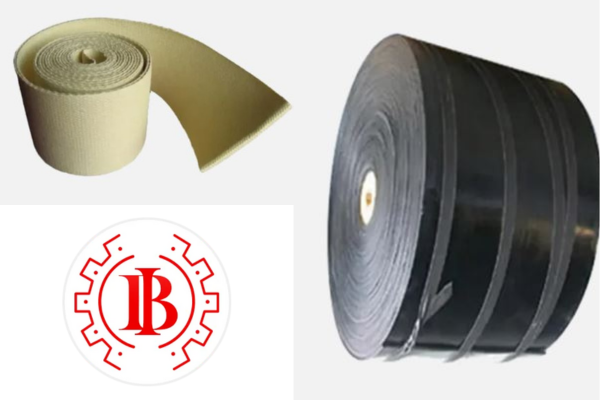
Felt is a textile that results from compacting and entangling of fibers to create a tough but pliable fabric. While the production process of felt differs greatly from traditional methods of fabric manufacturing, it creates a fabric that is effective for purposes like padding, sealing, insulation, filtering, polishing, vibration reduction, and surface protection.
The effectiveness of felt largely depends on factors such as the choice of fiber, density, thickness, stiffness, and manufacturing process. Natural fibers such as cotton give softness and absorbency, but when tougher properties such as resistance to moisture, chemical and thermal abrasion are needed, synthetic fibers can be used.
Due to this versatility, felt is important in many industries operating under varying conditions. The automobile industry, for instance, requires materials that will prevent scratching of components and vibration while steel industries will require protective materials resistant to movement in the industry environment.
Why Choosing Cotton Felt for Cars Is So Important
Car manufacturing requires thousands of elements which have to function as one and at the same time retain their appearance, functionality, and quality. While being manufactured, transported, assembled, and stored, metal, painted, polished, and finished elements may suffer from scratches, abrasions, and undesired touches. Therefore, cotton felt for cars can become a good solution for protecting surfaces and elements from any damage.
Due to its soft nature, cotton felt can become a great option for cushioning and protecting surfaces. It can be applied around certain components, between touching surfaces, and even as a protective material while transporting and assembling different car components. Thus, thanks to its softness, cotton felt can reduce friction and avoid damaging surfaces.
One more good thing about cotton felt is that it can absorb and cushion movements. Any component of cars can be subject to vibration when it works, but choosing appropriate felt materials, vibrations can be decreased. Apart from that, depending on the design and density, cotton felt can be applied for insulation and sound management.
Specialized Benefits of Cotton Felt in Automotive Industry
The first notable benefit of cotton felt lies in its flexibility and malleable nature. It is important to remember that the automotive parts manufacturing industry usually deals with parts of various shapes and sizes. Therefore, the ability to easily shape a product according to needs may come in handy.
The material can also serve as cushioning to protect two surfaces from rubbing against each other. It may prove helpful when dealing with parts which need to be constantly transported and stored before being put together as it will allow protecting their surfaces from damage.
The fiber nature of the material may attract manufacturers when working with applications requiring fiber-based products. Different grades of felt can be chosen depending on specific needs.
Synthetic Felt for Steel Companies: Designed for Tough Conditions
There are several characteristics of steel manufacture and processing which include the use of heavy materials, fast machines, multiple handling and tough manufacturing conditions. Under such conditions, materials that protect and support industries need to be able to withstand mechanical wear. This is when synthetic felt for steel companies comes in handy.
Synthetic felt is made from artificial fibers with specific mechanical qualities. Based on the fiber used and specifications, the synthetic felt can withstand abrasion, water, chemicals and mechanical contact.
Steel products can have finishes, coatings, polished or other treatments which make them in need of protection during handling. Synthetic felt can be an effective layer between metal and equipment, thus reducing the possibility of scratches and abrasions.
Uses of Synthetic Felt for Steel Processing
Firms dealing in steel regularly have large coils, sheets, pieces, or even fabricated products. Contact with machine parts during the processing and transportation stages can lead to markings on the surface, which might be undesirable. The protective synthetic felt can act as a cushioning material and help keep the two surfaces apart.
The strength and toughness of the synthetic felt also makes it suitable. In an environment where materials are continuously transported and friction happens, the felt needs to hold together. Felt made from synthetic materials can be designed such that they will not tear apart easily.
The synthetic felt can then be fashioned into strips, washers, gaskets, or any shape that may be needed by the machinery.
Cotton Felt vs. Synthetic Felt – Selection Based on Application
The selection of cotton or synthetic felt depends on the working environment and not the name of the material. When dealing with applications that require softness, absorbency, and protection, the use of cotton felt in automobiles can be quite effective.
When the focus is on steel industries, the use of synthetic felt can be quite effective considering that these applications require robust materials. The steel manufacturing industry poses higher mechanical stress on the protective material and hence using synthetic fiber-based construction is ideal.
There are many factors that one needs to consider when choosing a felt product. These include thickness, density, hardness, fiber material, temperature conditions, and whether the material will be exposed to moisture and/or chemicals.
Customization Gives Importance to Felt
Industrial felt is not normally a one-fit solution to all problems. Different machines and machine parts need different dimensions and specifications. Through customization, manufacturers get felt products which are customized to suit their applications.
Felt can be manufactured or modified to have a particular size, shape, thickness, and density. Such an approach works well where the felt should fit in around some machines and provide protection to some machine parts of odd shapes and sizes.
Balaji International India is known to offer felt solutions to industrial applications where material specification, dimensions, and performance are of significance. The manufacturers need to know the application to come up with the right specifications of felt.
Why Is Quality Important in Industrial Felt?
The performance of felt not only relies on the fiber used but also on the quality of the manufacturing process. Lack of uniformity, poor finishing, wrong measurements, or improper fiber content can compromise the effectiveness of the felt material.
In case of felt usage in cars and steel industries, it would be best for the manufacturers to opt for suppliers who have knowledge about the industrial uses of felt and can ensure consistent specifications of the material.
Such a supplier will also assist the manufacturer in making the decision between natural and artificial felt.
Future of Specialized Felt Solutions
Continued advancements in the manufacturing industry, with emphasis on efficiency and protection, will probably see the continued need for specialized felt solutions. The automotive manufacturing industry requires products that are light and flexible, while steel manufacturers require materials that are resilient enough to endure the industrial manufacturing process.
Furthermore, improvements in fiber and manufacturing technology are leading to innovations in specialized felt solutions. Rather than seeing felt as a simple textile, industries can now choose materials based on specific requirements.
The future of industrial felt is, therefore, in specialization. Be it cushioning of any automotive parts or protecting steel through heavy duty handling, choosing the right felt material will make all the difference.
Felt continues to prove its worth in the industry because it is able to incorporate properties of being flexible, protective, cushioned and durable in one product. Felt made of cotton for automobiles comes in handy with protective, cushioning and supporting qualities, whereas felt made of synthetic fibers for the steel industry proves durable enough for industrial purposes.
The trick lies in choosing the right felt with respect to the environmental, material and functional considerations. With proper specifications and high-quality manufacturing process, felt can be an advantage when it comes to safe handling, protective qualities and efficiency in industrial operations. Businesses seeking funds that suit their application can seek the assistance of Balaji International India.